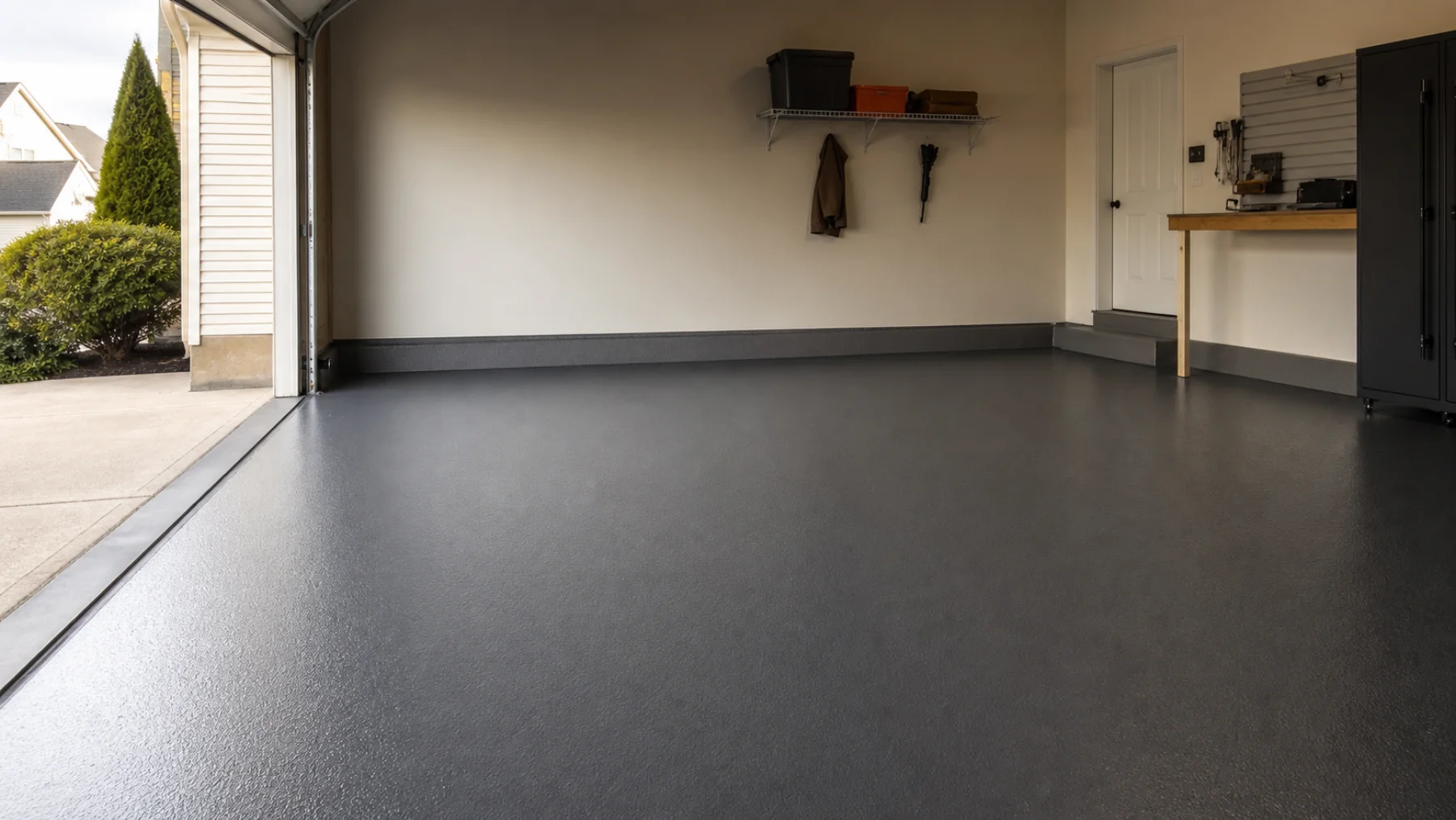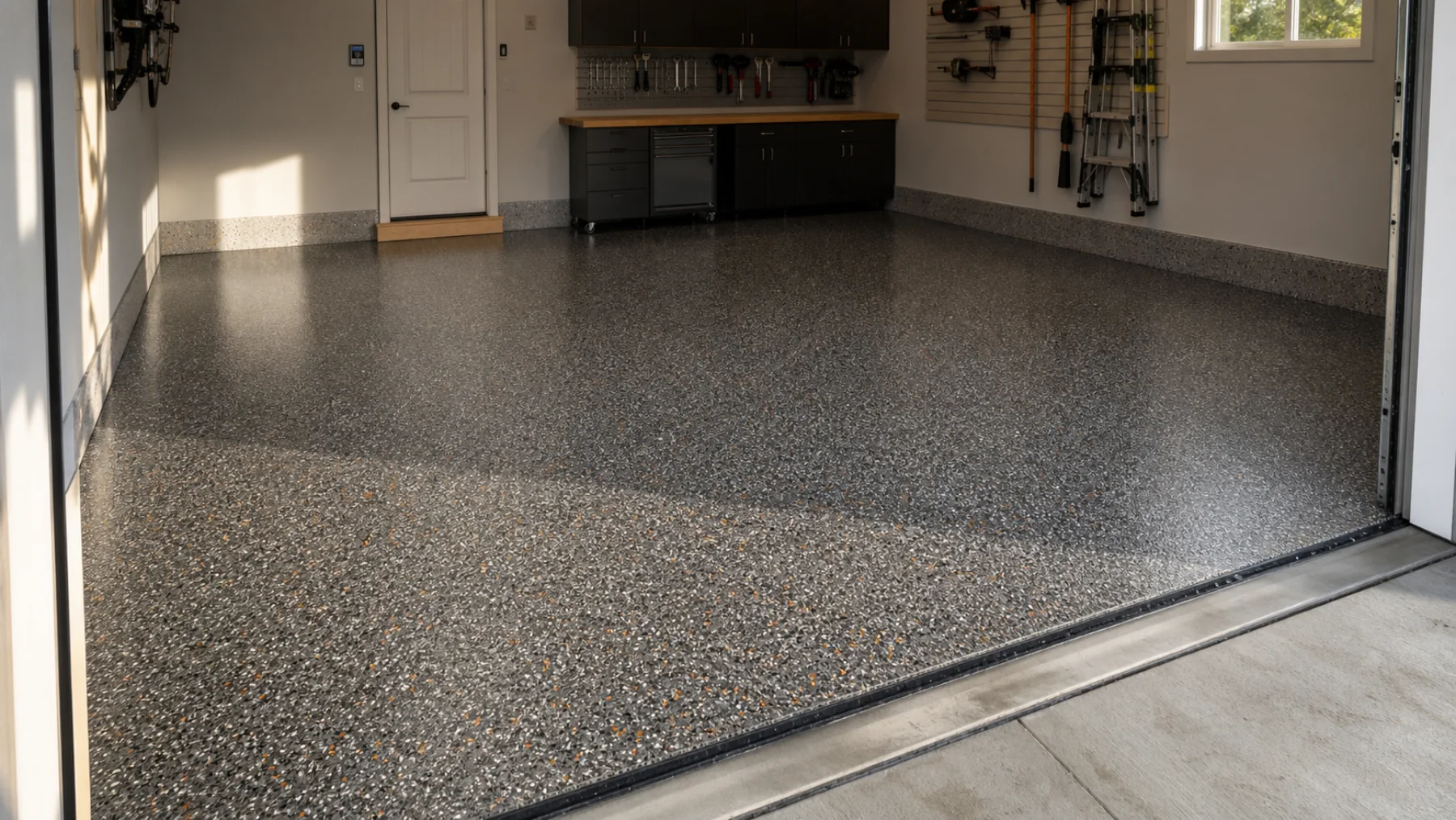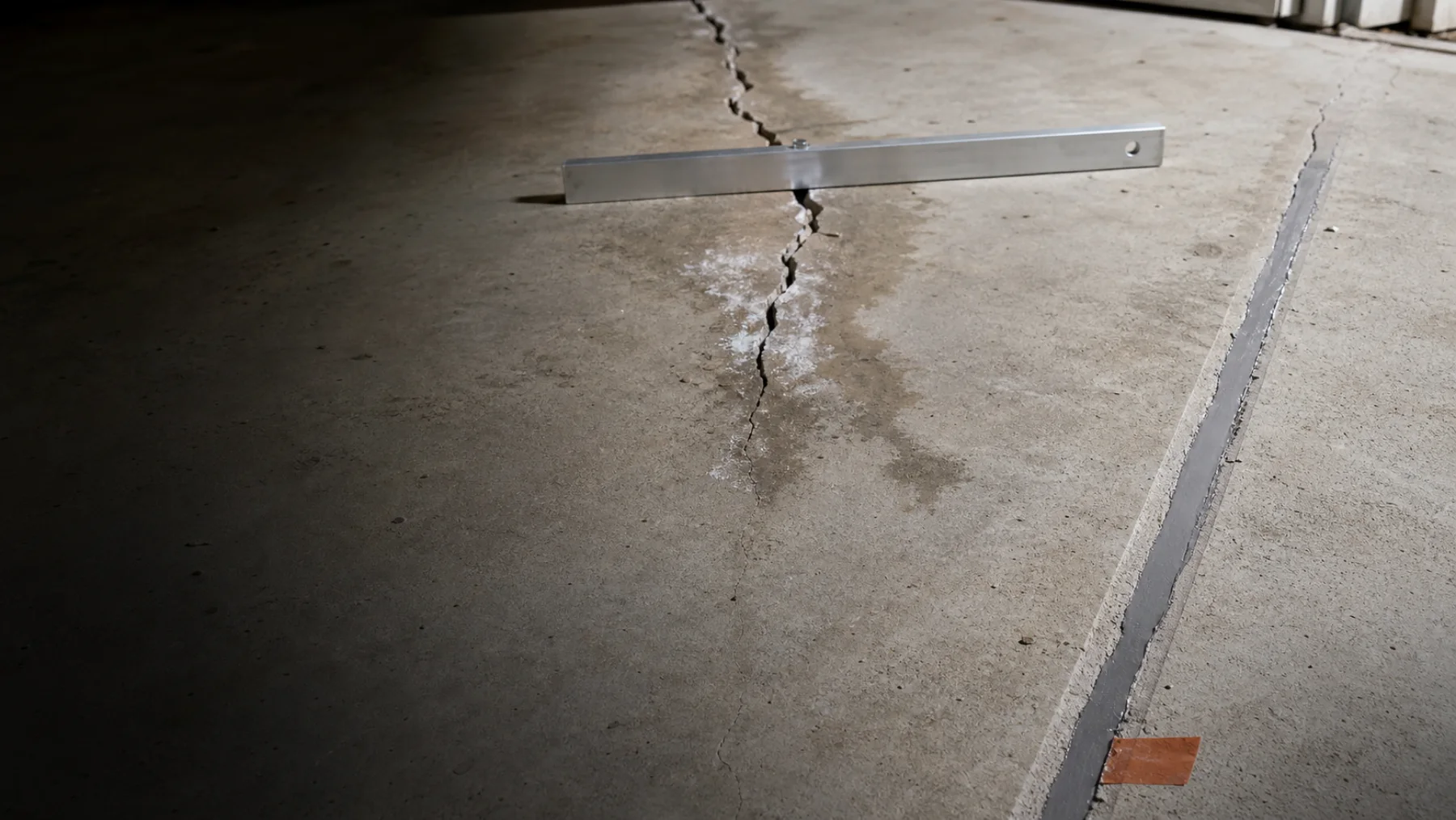
A coating can hide color; it cannot stop structural movement. Diagnose width change, displacement, water entry, and cause before selecting a cosmetic repair material.
Classify before filling
Record crack width, length, vertical displacement, moisture staining, and whether the opening changes. A stable hairline shrinkage crack is a different problem from a displaced slab joint or active foundation movement.
If the crack is growing, displaced, leaking, or linked to settlement, obtain qualified evaluation. Filling it for appearance may conceal the symptom without solving the cause.
System compatibility matters
Repair products vary in stiffness, cure speed, grindability, and coating compatibility. Use the coating manufacturer’s accepted repair approach and respect cure and recoat windows. A soft flexible filler under a rigid high-build finish can telegraph differently than a rigid repair.
Existing control and expansion joints may need to remain functional rather than being bridged. Confirm the system detail.
Repair is part of preparation
Open and clean the defect only as specified, remove dust, place repair material, allow the required cure, then grind flush if the system requires it. Reinspect after prep because grinding can reveal weak edges or additional cracks.